
[Read Original Article] What Is Residual Chlorine (CL)? The Truth Behind the Smell of Swimming Pools and Bleach!|Written by Kyeongwon Engineering
The “chlorine” left in water is more than just a smell.
It plays a critical role in disinfection and hygiene in tap water, swimming pools, and water treatment plants.
Today, we’ll explain clearly and simply what “Residual Chlorine (CL)” is, and why managing it is so important.
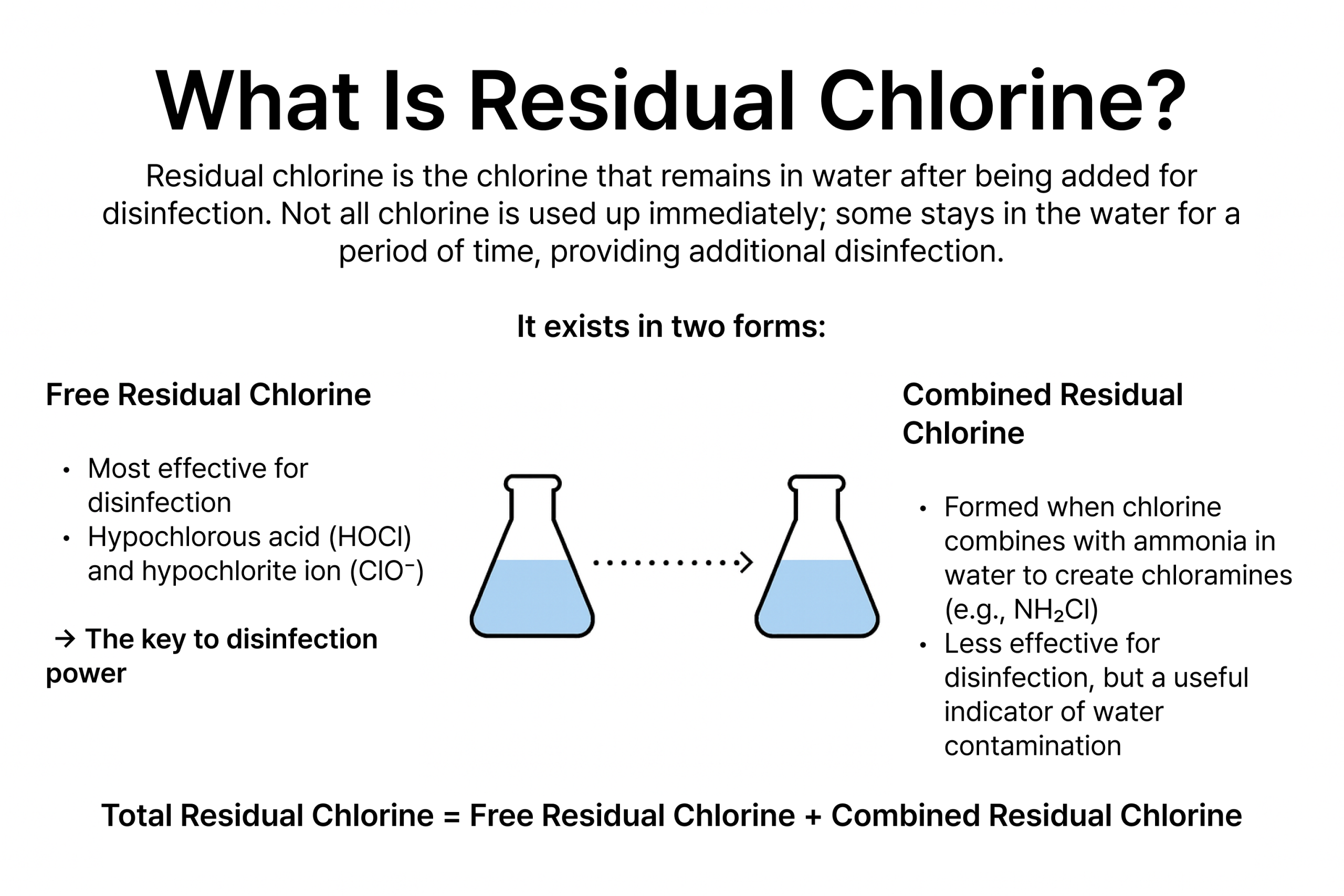
What Is Residual Chlorine?
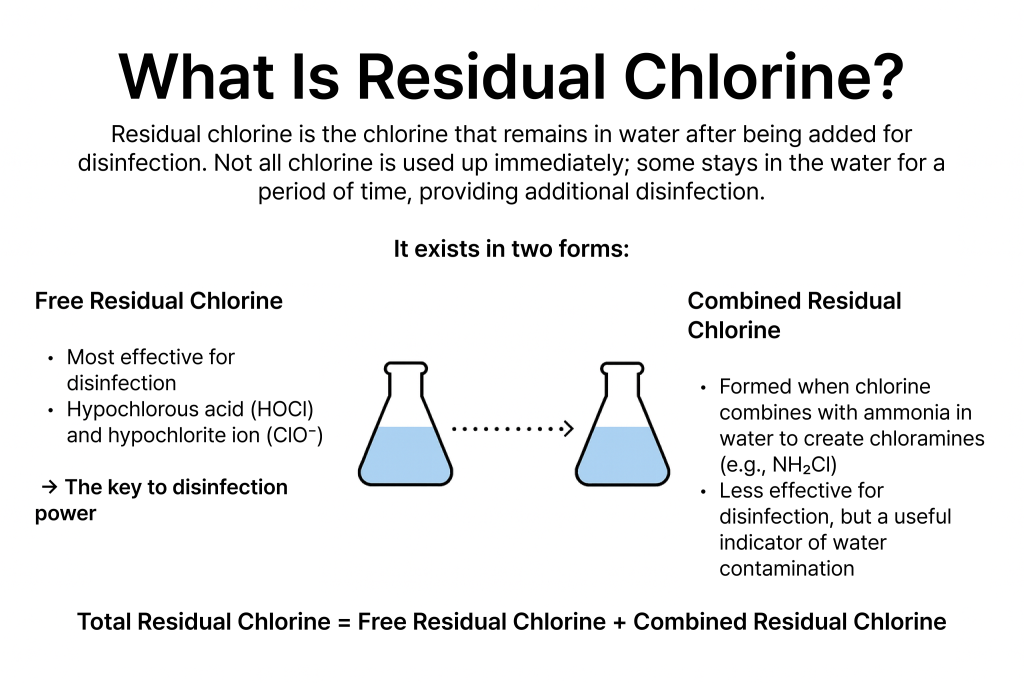
Residual Chlorine refers to the chlorine that remains in water after it has been added for disinfection.
Not all chlorine is consumed instantly; some stays in the water for a certain time, providing ongoing disinfection.
It exists in two forms:
- Free Residual Chlorine
Includes hypochlorous acid (HOCl) and hypochlorite ion (OCl⁻), the most effective disinfectants.
→ The key to disinfection power! - Combined Residual Chlorine
Chlorine combined with ammonia or other compounds, forming chloramines (e.g., NH₂Cl).
→ Less effective for disinfection, but a useful indicator of water contamination.
Total Residual Chlorine = Free Chlorine + Combined Chlorine
So, Is It Like Bleach?
Yes—exactly!
Household bleach (sodium hypochlorite, NaOCl) produces hypochlorous acid (HOCl) when dissolved in water, which is the main component of free residual chlorine.
That’s why the “bleach smell” in swimming pools is familiar—it’s essentially the same active ingredient.
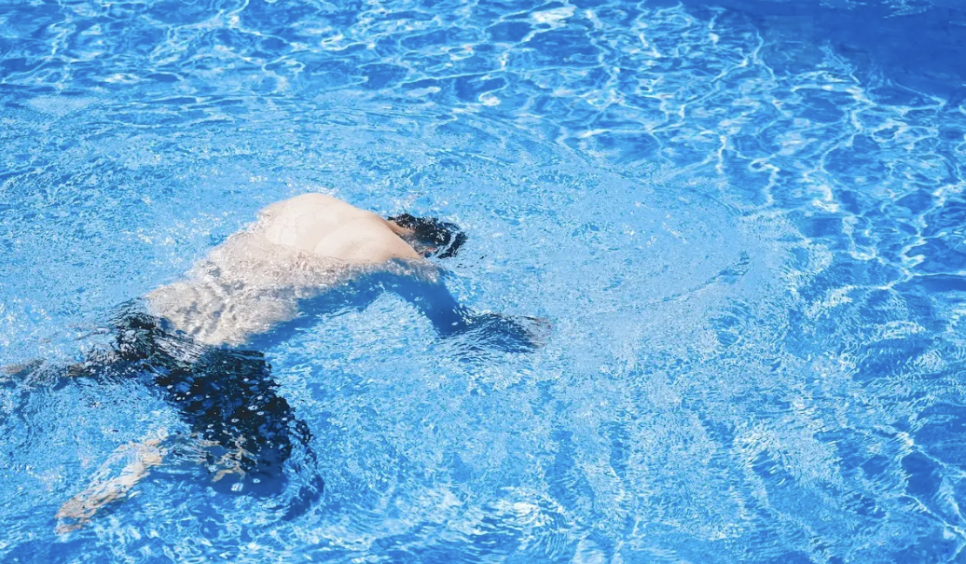
It’s the same with swimming pools!
Chlorine disinfectants are added to maintain a certain level of residual chlorine, which helps prevent bacterial growth.
But then, why do swimsuits fade?
Have you ever noticed that bleach-like smell at the pool?
Sometimes it can be so strong that it’s overwhelming.
That’s because pool water contains a disinfectant called sodium hypochlorite,
which releases chlorine compounds that kill bacteria when dissolved in water.
In fact, it’s the exact same chemical as the bleach you use at home.
So it’s no surprise that the smell in swimming pools is just like the smell of bleach.
However, a strong smell doesn’t necessarily mean the water is well disinfected.
In fact, the more people use the pool—and the more sweat or other contaminants are present—the stronger that odor can become.
Chlorine disinfectants are not only powerful germ killers, but also strong oxidizers, which can:
Fade or bleach clothing
Make hair dry and brittle
Cause eye irritation or skin sensitivity
All of these effects are caused by free residual chlorine.
That’s why swimsuits are made from special materials, and why it’s strongly recommended to shower thoroughly with clean water after swimming.
Why should we measure residual chlorine?
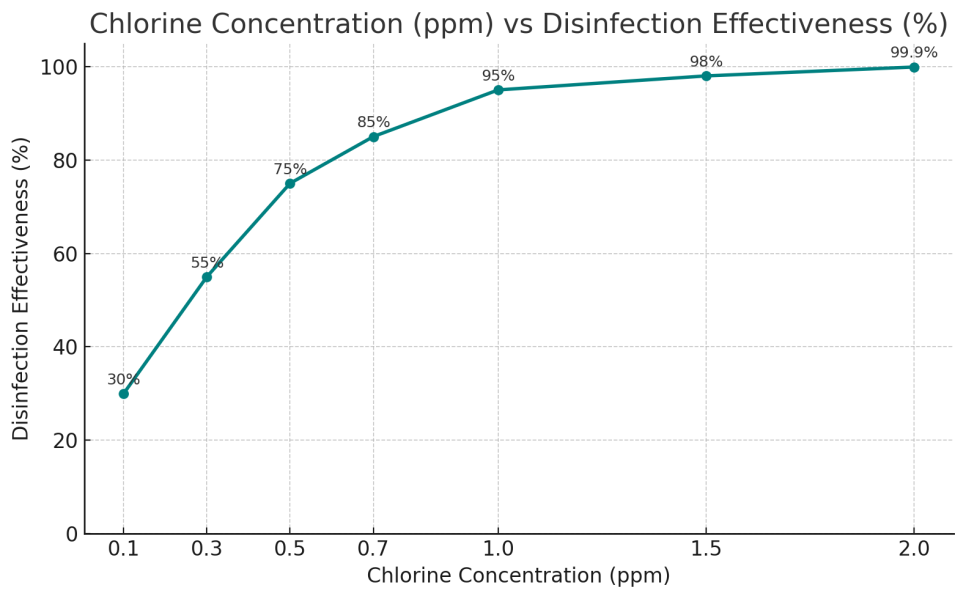
Having a lot of it isn’t always good, and having too little isn’t necessarily safe either.
The key is to keep just the right amount—enough to be effective without irritating the human body.
So, what’s the right amount?
For example:
Tap water is for drinking, so it must not be too harsh.
→ It’s usually maintained at about 0.1–0.4 mg/L.
Swimming pools are used by many people, so strong disinfection is important.
→ Levels are typically kept between 0.4–1.0 mg/L.
In factories and water treatment plants, residual chlorine levels require careful control:
→ Too much can corrode pipes.
→ Too little can allow bacteria to grow.
That’s why the key isn’t simply whether residual chlorine is present, but how much is present.
In the field, sensors are used to measure levels accurately and keep them consistently within the target range.
So, how is residual chlorine measured?
There are several ways to measure it, but the most common method today is the electronic sensor method.
In the past, people often used color-comparison tests or added reagents to check visually (such as the DPD method).
Now, however, it’s far more common to use sensors for real-time measurement and automatic control.
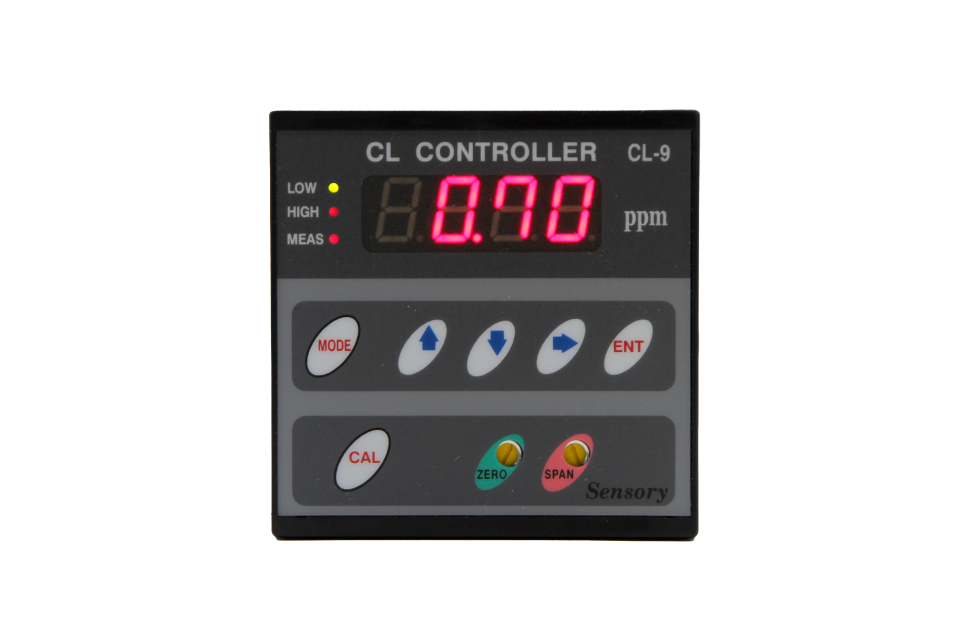
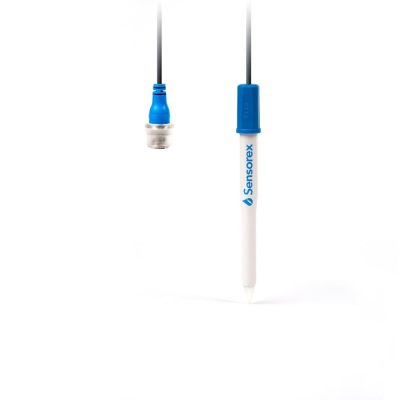
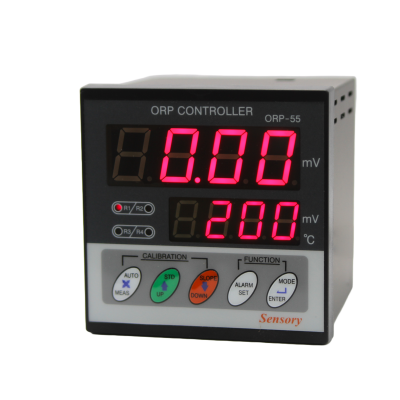
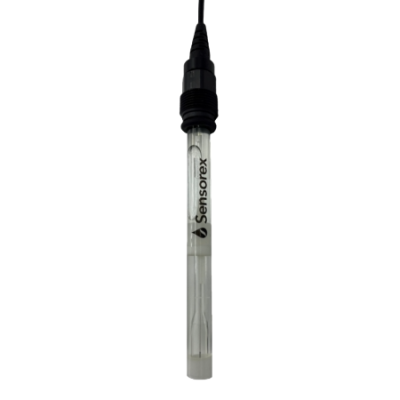
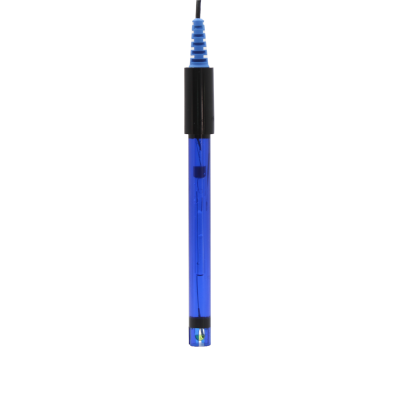
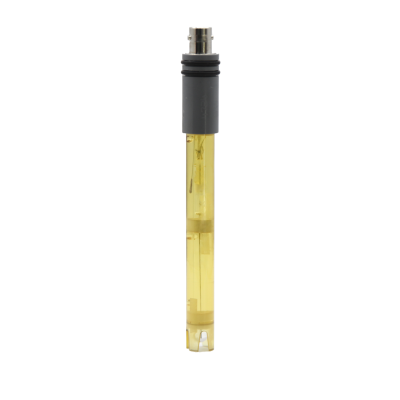
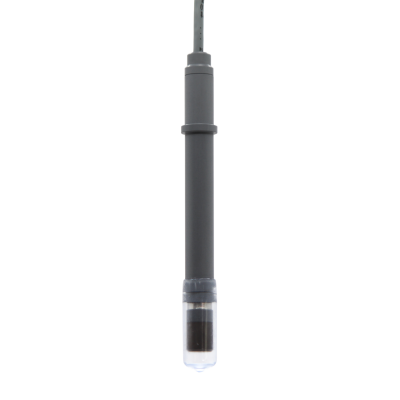
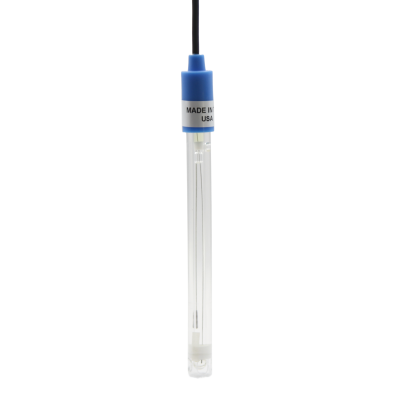
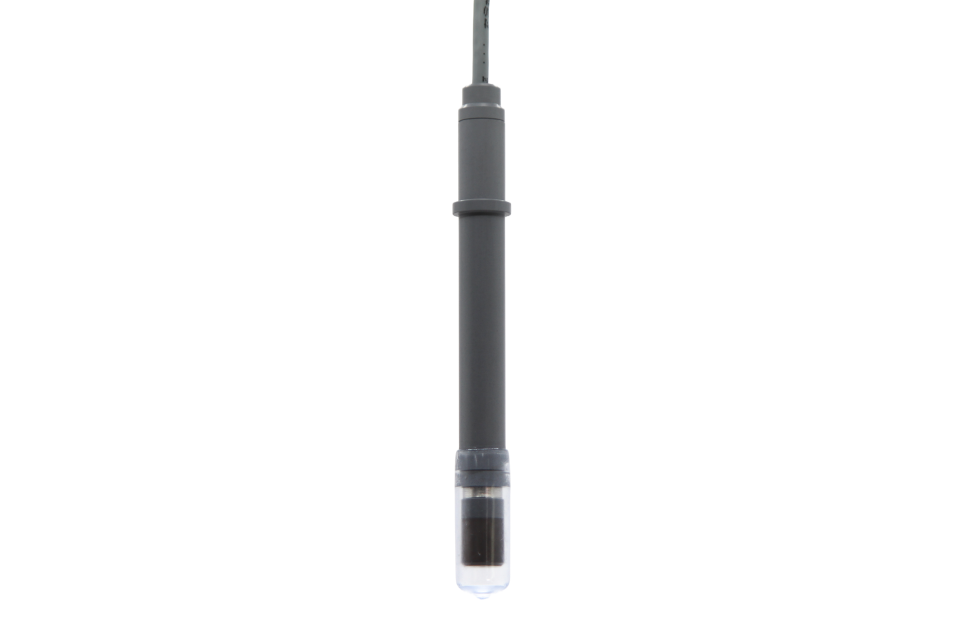
Example: KR-100 + CL-9 Sensor
In places like swimming pools or water treatment facilities, where residual chlorine levels must be monitored continuously, the electronic sensor method is the most reliable option.
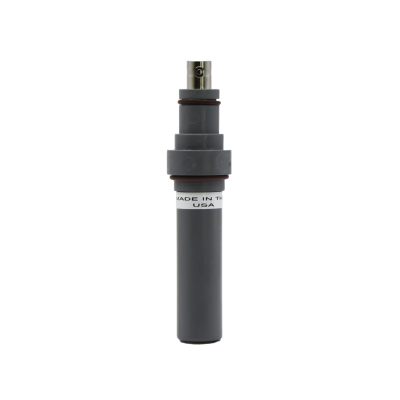
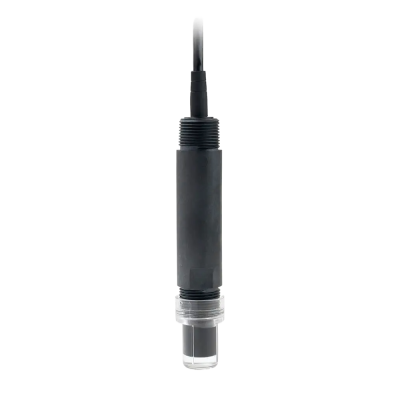
Among these, our KR-100 sensor paired with the CL-9 or CL-91 model uses a galvanic electrode system that allows continuous measurement without the need for reagents, making it a popular choice in the field.
Optimal flow rate: 0.5–1.0 L/min
Measurement range: 0–10 mg/L
Optimal pH range: 6.0–8.0
However, if these conditions are not met, accurate measurement can be difficult.
Unstable water flow or electrical interference can introduce noise into the signal.
That’s why, during installation, it’s important to:
→ Keep the flow rate steady
→ Carefully check the grounding of both the sensor and the measuring instrument
At Kyeongwon Engineering, with over 35 years of experience in manufacturing and installing water quality measurement devices, we provide:
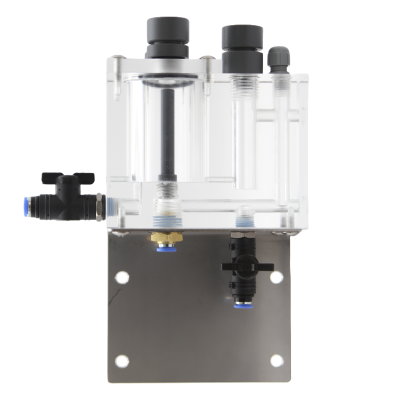
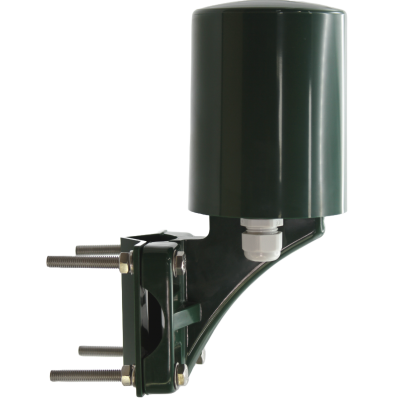
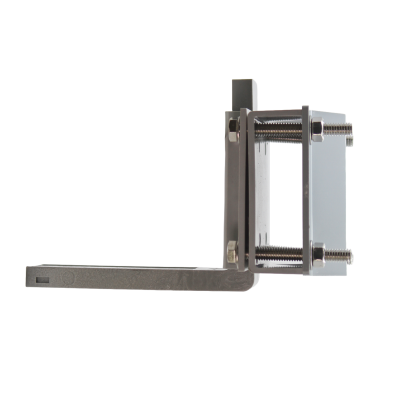
- Custom holders suited to the operating environment
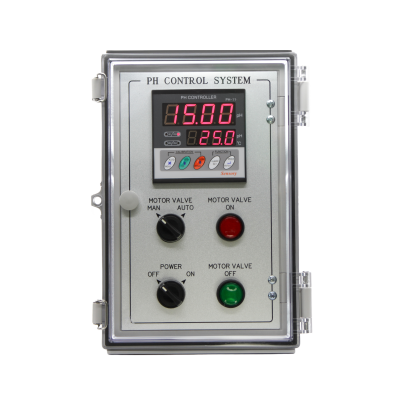
- Optional pH controllers when needed for more accurate and stable water quality monitoring
For more details, visit the link below and contact us directly:
https://kyeongwon.co.kr/en/contact/
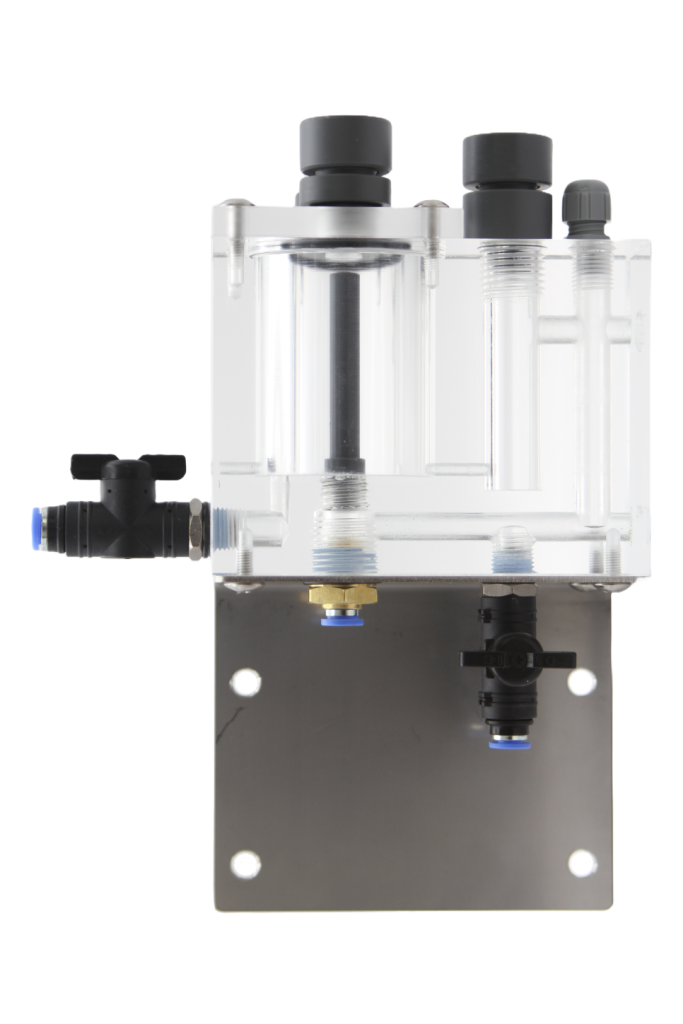
With the KRH-100, you can measure both pH and CL at the same time!
Wrapping Up & A Preview of the Next Post
Did you know that chlorine’s disinfecting power changes depending on pH?
Even at the same concentration, if the pH is high, its effectiveness drops sharply—while at a lower pH, it works much more efficiently.
In our next post, we’ll cover:
- What is pH?
- Why should residual chlorine and pH always be managed together?
Thank you for reading!
#ResidualChlorine #PoolSmell #SwimsuitFading #pH #CL
[Read Original Article] What Is Residual Chlorine (CL)? The Truth Behind the Smell of Swimming Pools and Bleach!|Written by Kyeongwon Engineering